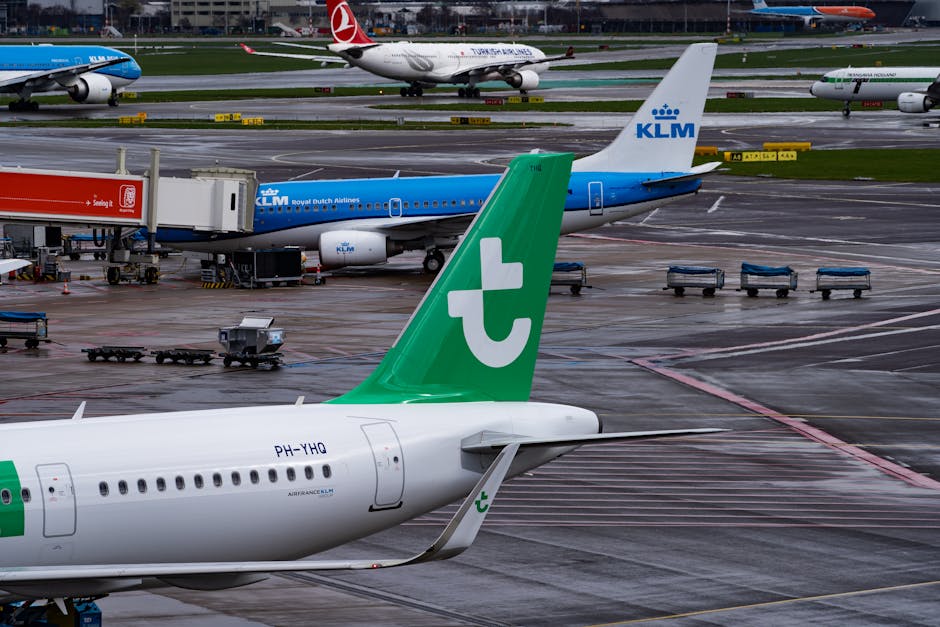
Why airports and transport hubs matter in disease transmission
Airports, train stations, and bus terminals are unique environments where large numbers of people converge, move quickly, and interact with shared surfaces. The combination of high foot traffic, confined indoor spaces, and limited ventilation creates conditions where respiratory pathogens can spread more easily than in most everyday settings.
Understanding which locations within these facilities present the greatest risk helps travelers, staff, and facility managers adopt targeted hygiene and engineering controls. The following sections break down the most problematic zones, why they are risky, and what practical measures can reduce exposure.
1. Check‑in counters and self‑service kiosks
Check‑in counters are among the first points of contact for passengers. Travelers often line up, handle documents, and touch the same surfaces as dozens of strangers within minutes.
Key risk factors
- High touch frequency: Ticket receipts, passports, boarding passes, and payment terminals are handled repeatedly.
- Prolonged close contact: Queues can force passengers to stand within a meter of each other for several minutes.
- Limited hand hygiene stations: Many airports place sanitizer dispensers farther away from counters, encouraging cross‑contamination.
Practical mitigation steps
- Install hands‑free, infrared temperature scanners that trigger alerts without physical contact.
- Provide disposable covers or antimicrobial films for kiosk screens, replaced at least twice daily.
- Position hand‑sanitizer dispensers at both ends of each queue line.
2. Security screening areas
The security checkpoint is a compulsory chokepoint for every passenger. The process of removing shoes, belts, laptops, and other objects creates multiple opportunities for surface contamination.
Why it becomes a hot spot
- Multiple touch points: Tray stacks, conveyor belts, metal detectors, and bin handles are touched by every traveler.
- Confined space: Screening lanes are often narrow, limiting airflow and forcing people into close proximity.
- Stress‑induced behaviors: Travelers may skip hand hygiene when rushed or anxious.
Control measures that work
- Use anti‑static, antimicrobial trays that can be disinfected quickly between uses.
- Adopt touchless bin return systems where the tray slides back automatically.
- Increase ventilation by installing high‑efficiency particulate air (HEPA) filters in the screening hall.
3. Boarding gates and waiting lounges
Once past security, passengers gather at gates for extended periods while waiting for boarding announcements. The combination of seated and standing passengers, shared armrests, and nearby food service creates a fertile ground for droplets and aerosols.
Sources of infection risk
- Extended exposure time: Boarding can be delayed, leading to 30‑60 minutes of continuous exposure.
- Re‑use of seating: Armrests, tray tables, and in‑seat pockets are touched by many passengers.
- Close conversation: Boarding announcements often cause groups to speak loudly, increasing aerosol production.
Effective interventions
- Implement staggered boarding to reduce crowd density at the gate.
- Provide disposable seat‑cover wipes and encourage passengers to clean armrests before use.
- Install ceiling‑mounted air purifiers that create a downward airflow pattern, removing aerosols from breathing zones.
4. Restrooms
Restrooms are a universal concern, but in transport hubs they become especially problematic because of high turnover and limited cleaning windows.
What makes them risky
- Waterborne vs. aerosol transmission: Flushing can generate aerosols that travel up to a meter.
- Surface contamination: Faucet handles, toilet flush levers, door handles, and hand‑dryers are touched repeatedly.
- Variable cleaning frequency: Smaller facilities may only be sanitized every hour, leaving pathogens to accumulate.
Best‑practice hygiene upgrades
- Replace manual faucets with motion‑sensor taps.
- Install foot‑operated or sensor‑activated hand dryers, or provide paper towel dispensers.
- Schedule cleaning crews for a minimum of 15‑minute intervals during peak travel periods.
5. Food courts and vending areas
Eating areas draw passengers who have already removed masks, increasing the chance that expelled droplets will linger.
Why infections spread here
- Mask removal: Conversation while eating amplifies aerosol release.
- High‑touch equipment: Table tops, condiment dispensers, self‑service coffee machines, and credit‑card terminals.
- Shared seating: Benches and chairs see rapid turnover.
Targeted control actions
- Mandate regular disinfection of high‑touch surfaces every 30 minutes.
- Encourage staff to wipe down tables after each party leaves.
- Provide disposable covers for communal seating, with a simple “remove‑replace” system.
6. Baggage claim and carousel areas
Unlike departure zones, baggage claim is an area where passengers gather after a flight, often fatigued and less attentive to hygiene.
Transmission pathways
- Contact with luggage handles: Handles are touched by many travelers, then often brushed against clothing.
- Closed‑loop circulation: Airflow can be stagnant as passengers wait for bags, especially in older terminals.
- Long dwell time: Waiting for luggage can last 15‑30 minutes, during which people stand close together.
Mitigation ideas
- Install antimicrobial coating on carousel rails and luggage rollers.
- Provide hand sanitizer stations at each carousel exit.
- Upgrade HVAC to increase fresh‑air intake and introduce air change rates that meet ASHRAE 62.1 recommendations for assembly spaces.
7. Public transportation links (shuttle buses, trains, metros)
Many airports are connected to city centers by dedicated shuttle services or rail lines. These vehicles have similar risk profiles to the terminal itself.
Risk drivers
- Enclosed space: Vehicles have limited ventilation compared with open concourses.
- Frequent boarding/alighting: Passengers touch handrails, ticket validators, and seat backs.
- Short cleaning cycles: Cleaning often occurs only once per shift, leaving the interior exposed for hours.
Operational improvements
- Equip buses and trains with UV‑C air purifiers that run continuously.
- Use antimicrobial, easy‑to‑wipe seat fabrics and handrails.
- Require drivers to wipe down high‑touch points between each service run.
8. Airport lounges and private meeting rooms
Lounges offer comfort but also attract a concentration of business travelers who often work with laptops, shared power sockets, and printed documents.
Specific concerns
- Shared equipment: Keyboard, mouse, and power adapters are touched repeatedly.
- Long occupancy: Users may stay for several hours, increasing cumulative exposure.
- Reduced mask usage: Business conversations typically occur without masks.
Recommendations for lounge operators
- Provide individual disinfecting wipes at each workstation.
- Install sensor‑activated lights that remind users to sanitize before and after use.
- Maintain a minimum of 12 air changes per hour, verified by routine airflow testing.
9. Immigration and customs counters
These counters involve close face‑to‑face interaction, often with the traveler holding a passport or travel document that the officer handles.
Why it is a hot spot
- Close proximity: Officers typically stand less than a meter from the traveler.
- Document exchange: Passports, visas, and electronic cards are passed back and forth.
- Extended conversation: Officers may need to ask detailed questions, increasing speaking time.
Mitigation tactics
- Introduce protective barriers (transparent acrylic or polycarbonate) with cut‑out slots for document exchange.
- Use handheld barcode scanners that reduce the need to touch passports directly.
- Provide a hand‑sanitizer dispensers at each officer’s workstation.
10. Outdoor concourses and drop‑off zones
While outdoor air dilutes aerosols quickly, certain outdoor areas can still pose risks when crowding occurs, such as curbside pick‑up zones or outdoor waiting tents.
Potential issues
- Temporary enclosure: Tents or canopies limit airflow.
- High density: Ride‑share queues can create clusters of people within a small footprint.
- Surface sharing: Handrails and gate handles may be touched even in semi‑open spaces.
Low‑cost solutions
- Mark floor space with tape to enforce a minimum of six feet between waiting passengers.
- Provide portable hand‑sanitizer bottles at each entry point to the drop‑off zone.
- Use solar‑powered fans to increase air movement under tents.
How to prioritize interventions
Facilities cannot overhaul every surface simultaneously. A risk‑based approach helps allocate resources where they matter most.
| Risk Level | Typical Hot Spot | High‑Impact Quick Wins |
|---|---|---|
| Very High | Security screening, immigration counters | Touchless trays, protective barriers, frequent surface disinfection |
| High | Check‑in kiosks, boarding gates, restrooms | Hand‑sanitizer dispensers, motion‑sensor faucets, HEPA filtration |
| Moderate | Food courts, lounges, baggage claim | Disposable table covers, regular wipe‑down schedules, increased air changes |
| Low | Outdoor concourses, shuttle buses | Floor markings for distancing, portable fans, antimicrobial seat fabrics |
Key take‑aways for travelers
- Carry a small bottle of hand sanitizer and use it after touching any shared surface.
- When possible, choose self‑service kiosks that allow contactless payment.
- Maintain distance in queues and avoid lingering in crowded waiting areas.
- Prefer airports that display clear ventilation information and have visible cleaning schedules.
